
Yoga Flexibility for All Ages
Unlock your body's potential with evidence-based flexibility practices designed by Kegelzonehealth. Whether you're 20 or 80, discover how gentle, progressive yoga can transform your mobility, reduce pain, and enhance your quality of life.
Why Flexibility Matters at Every Age
Flexibility is not about touching your toes—it's about living life without limitations. Our comprehensive guide explores the science behind mobility and how structured yoga practice can enhance your daily experiences.
Improved Joint Health
Regular flexibility work lubricates joints, reduces stiffness, and promotes synovial fluid distribution. This is particularly beneficial for those managing arthritis or age-related joint degradation. Our guides explain how gentle movements support cartilage nutrition and long-term mobility.
Enhanced Nervous System Function
Yoga and stretching activate the parasympathetic nervous system, reducing stress hormones and promoting relaxation. Research shows that consistent flexibility practice improves proprioception—your body's awareness of itself in space—leading to better balance and coordination.
Increased Energy and Vitality
Flexibility training improves circulation, oxygen delivery to muscles, and metabolic function. Many practitioners report sustained energy levels throughout the day and improved sleep quality. Our content explores the physiological mechanisms behind these improvements.
Injury Prevention
Maintaining adequate flexibility reduces muscle tension, improves movement patterns, and decreases injury risk during daily activities. Studies demonstrate that flexibility training complements strength work, creating balanced musculoskeletal function across the lifespan.
Mental Health and Mindfulness
Yoga combines physical flexibility work with breathing techniques and meditation. This integrated approach supports emotional regulation, reduces anxiety, and builds resilience. Our editorial explores the mind-body connection and its impact on overall wellness.
Community and Accountability
Practicing yoga with others builds social connections and supports long-term consistency. Our platform connects you with our editorial team and community resources to deepen your understanding and maintain your practice across all age groups.
Flexibility Benefits by Life Stage
Ages 20-30
- Build foundational mobility patterns
- Prevent desk posture problems
- Complement athletic training
- Improve movement quality
Ages 30-50
- Maintain active lifestyle capacity
- Address repetitive strain issues
- Manage work-related tension
- Support metabolic health
Ages 50-65
- Counter age-related stiffness
- Support hormonal transitions
- Maintain independence
- Improve balance and fall prevention
Ages 65+
- Preserve functional mobility
- Manage arthritis and joint changes
- Enhance daily living activities
- Build strength and stability safely
Your 4-Week Flexibility Exploration
This framework outlines a progressive approach to understanding and developing flexibility. Our editorial content guides you through each phase with detailed explanations, safe practices, and age-appropriate modifications.
Foundation & Assessment
Learn your baseline. We explore how to evaluate your current flexibility, understand movement limitations, and identify which poses suit your age and condition. This week builds awareness without pushing boundaries.
- • Self-assessment techniques
- • Understanding body limitations
- • Safe warm-up practices
- • Intro to basic poses
Gentle Progressive Stretching
Build the foundations. Week two introduces a structured stretching routine with emphasis on proper alignment, breath work, and the science of how muscles adapt to progressive tension over time.
- • Proper stretching techniques
- • Breathing patterns for relaxation
- • Common mistakes and corrections
- • Creating your daily routine
Deepening Your Practice
Move deeper. By week three, you'll explore intermediate poses, understand advanced modifications, and learn how to adapt practice as your body responds. We discuss plateau-breaking and sustainable progression.
- • Intermediate pose variations
- • Targeting specific areas
- • Using props effectively
- • Overcoming plateaus
Integration & Long-Term Approach
Make it sustainable. The final week focuses on building lasting habits, understanding periodization in flexibility training, and creating a personalized plan for continued growth beyond the initial four weeks.
- • Building consistent habits
- • Periodization principles
- • Tracking progress meaningfully
- • Long-term sustainability
Real Stories from Our Community
These accounts illustrate the diverse benefits of flexibility practice across different ages, backgrounds, and starting points. Each story demonstrates that transformation is possible at any stage of life.
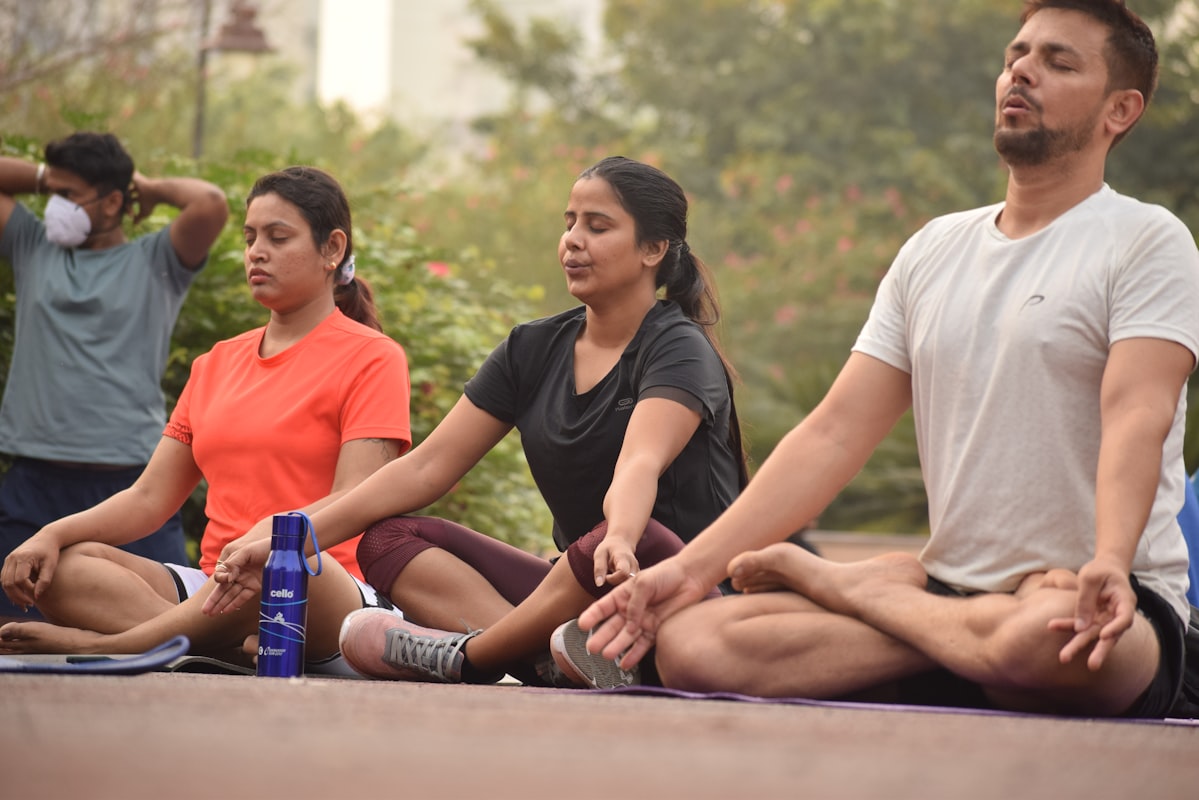
Sarah, 28 - Desk Worker
"After years hunched over a computer, I couldn't touch my toes. The Kegelzonehealth guides helped me understand that flexibility isn't about achieving perfect poses—it's about reclaiming my body. In eight weeks, my posture improved dramatically, and I have more energy."

Michael, 52 - Former Athlete
"I thought my flexibility days were behind me. The age-specific content showed me that middle age is actually an ideal time to rebuild. My back pain has felt much better, and I feel more mobile than I have in years."
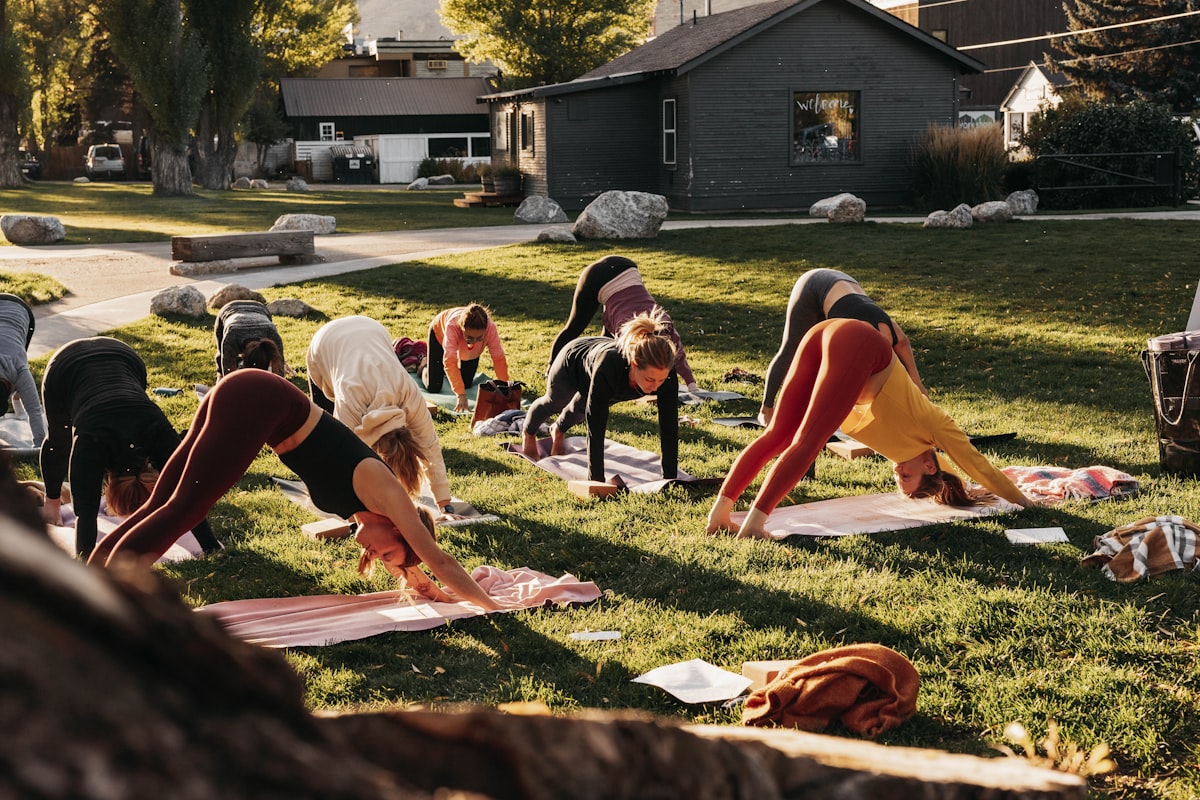
Dorothy, 71 - Retiree
"At 71, I was worried about falls and losing independence. The gentle approach to flexibility, combined with balance work, has given me confidence. I can now get up from chairs more easily and enjoy my grandchildren without worry."
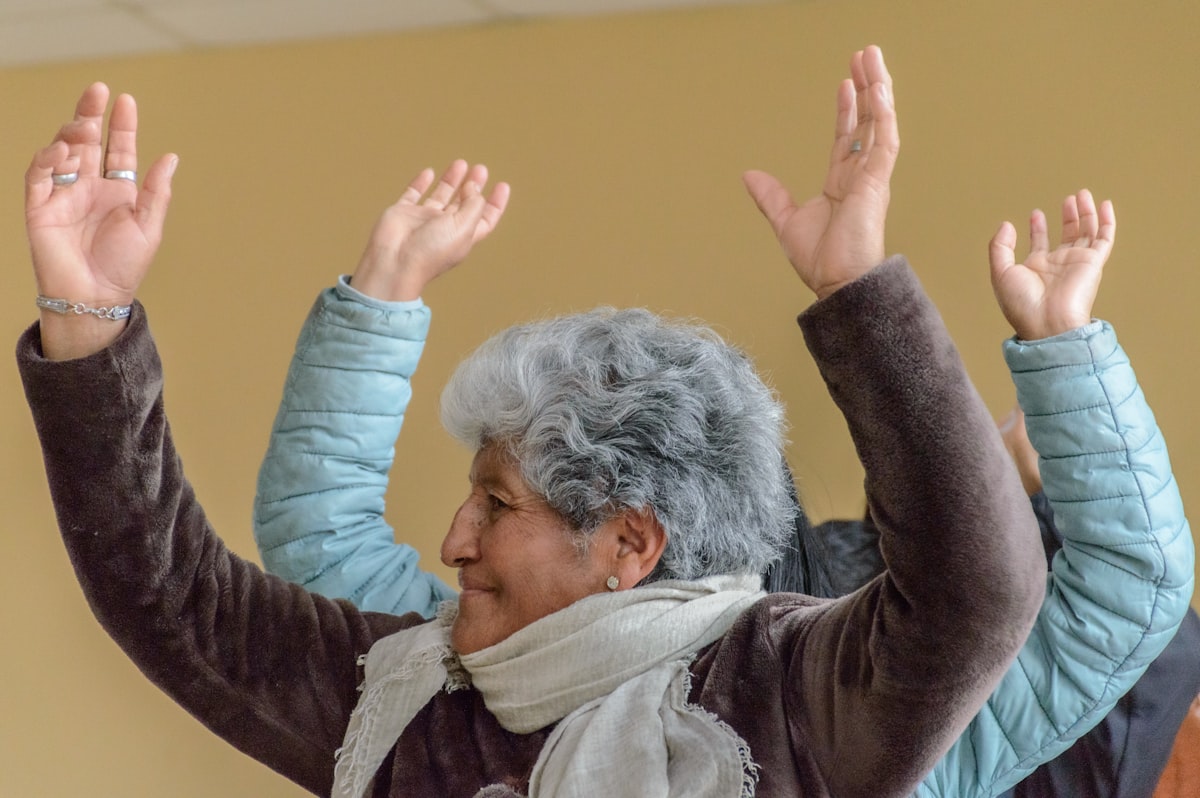
James, 35 - Runner
"I used to think flexibility was secondary to cardio and strength. After learning how tight hips and hamstrings were limiting my performance, I integrated Kegelzonehealth's guidance. My running form improved and injuries decreased."
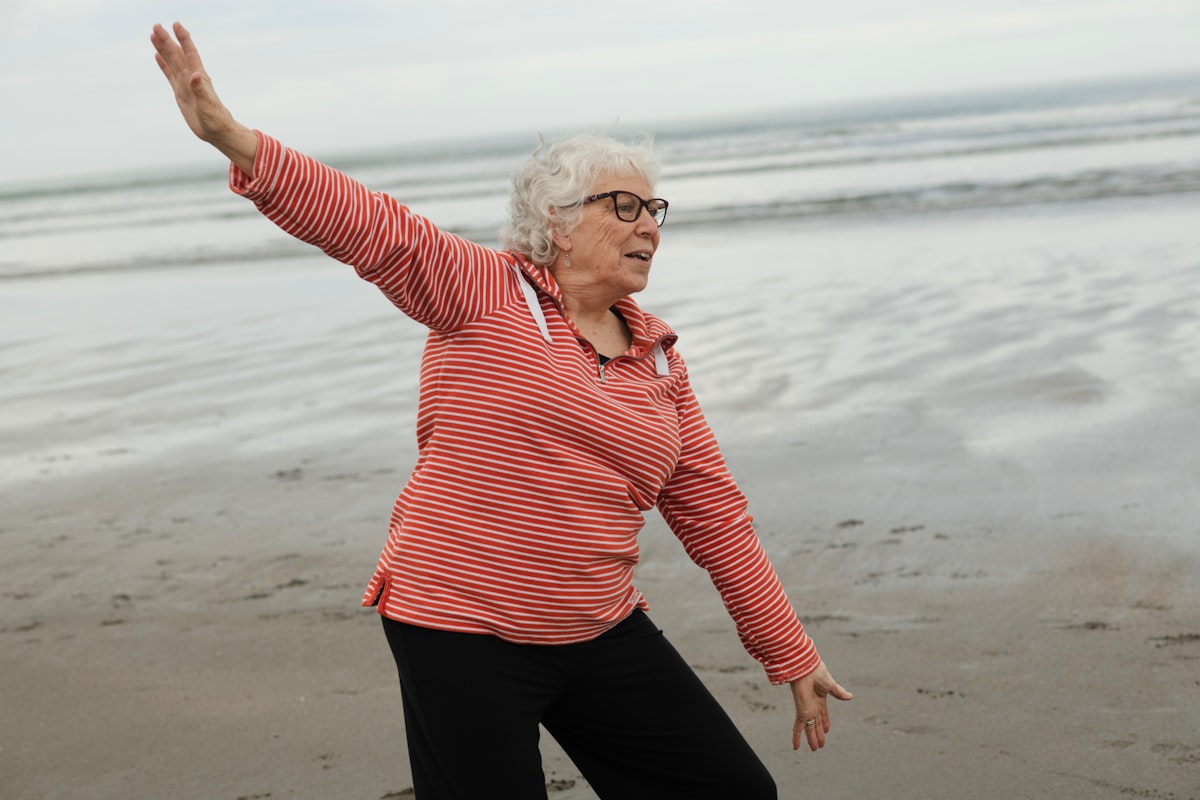
Patricia, 64 - Yoga Beginner
"I was intimidated by yoga classes full of young, flexible people. The Kegelzonehealth approach is different—it meets you where you are. The modifications and explanations make me feel confident rather than inadequate."

Aisha, 41 - Busy Parent
"With three kids and work, I have limited time. The 15-minute routines from Kegelzonehealth actually work. I'm less irritable, sleep better, and my kids even join me now. It's become our family wellness time."
What Readers Are Saying
Feedback from our community on the quality and impact of our educational content.
"The comprehensive approach to flexibility across different age groups is exactly what I needed. Rather than generic advice, Kegelzonehealth explains the 'why' behind each recommendation, making it easy to apply the information to my own situation. After three months, my mobility has improved noticeably, and I understand my body better."
— Robert Chen, 58, Bradford
"I've tried many yoga resources, but none explain the modifications for different body types and limitations as clearly as this. The emphasis on sustainable practice rather than quick fixes is refreshing and realistic."
— Helen Winters, 67, Newcastle
"As someone with arthritis, I was afraid yoga would make things worse. The science-backed explanations and gentle progressions have helped me move with more confidence. I'm pain-free and more flexible than before."
— Margaret Thompson, 73, Plymouth
"The 4-week framework gave me structure and clear expectations. Instead of feeling lost, I knew exactly what to work on each week. Twelve weeks in and I'm a different person—more mobile, confident, and pain-free."
— David Morrison, 44, Leeds
Common Questions About Age and Flexibility
Detailed answers to help you understand flexibility training at any age.
Absolutely. Flexibility improvements are possible at any age. Studies show that consistent pelvic floor and flexibility training can increase range of motion by 15-25% within 8-12 weeks, regardless of starting age. The key is gradual progression and consistency.
Most users report noticeable improvements within 2-4 weeks of consistent practice. Strength and flexibility gains accelerate after 6-8 weeks. Sexual wellness improvements often follow within the first month as pelvic floor function increases.
Yes, our programs are designed to be low-impact and joint-friendly. Always start with beginner modifications and listen to your body. If you have specific conditions (arthritis, recent injuries), consult your healthcare provider before starting. Most participants with joint concerns see improvement over time.
Just 10-15 minutes per day is enough to see results. Our programs are flexible—you can practice in short sessions or combine them. Consistency matters more than duration. Many users fit sessions into their morning routine or evening wind-down.
Pelvic floor training is a proven, first-line treatment for stress and urge incontinence. Clinical studies show 60-80% improvement rates with consistent practice. Results typically appear within 4-6 weeks. Many users report significant improvement without medication.
Ready to Reclaim Your Strength & Confidence?
Join thousands of adults transforming their lives with age-appropriate pelvic floor and flexibility training. Get started today with our 7-day free trial.
✓ No credit card required · ✓ Cancel anytime · ✓ 30-day money-back guarantee